
 Türkçe
  English
 Climate Control in Poultry Farming: Key Factors for Efficient Production






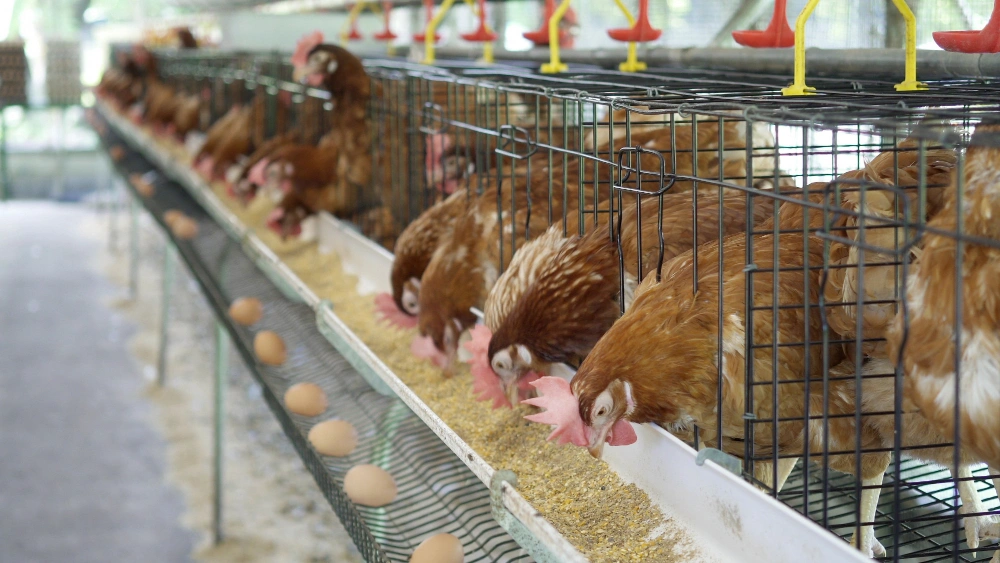
Poultry farming is a highly sensitive production sector where environmental conditions must be carefully managed. The healthy development of chickens and achieving high productivity depend directly on maintaining optimal conditions within the poultry house.
Factors such as temperature, humidity, air quality, and ventilation significantly influence animal behavior and performance. Without proper control, stress, disease, and productivity losses become inevitable.
Why Climate Control Is Essential in Poultry Farming
Chickens are highly sensitive to environmental changes. Sudden temperature fluctuations and poor ventilation can seriously impact flock health.
- High temperatures reduce feed intake and growth performance
- Low temperatures can lead to energy loss and slower development
- High humidity increases disease risk
- Poor air quality causes respiratory issues
Maintaining a balanced and controlled environment is therefore essential for both animal welfare and production efficiency.
Climate Systems in Modern Poultry Facilities
Modern poultry houses are equipped with fully automated climate control systems that continuously monitor and regulate internal conditions.
Temperature sensors, humidity detectors, and air quality systems allow real-time monitoring, enabling immediate adjustments when necessary.
- Automated ventilation systems
- Heating and cooling infrastructure
- Humidity control systems
- Air circulation fans for optimized airflow
These technologies ensure a stable production environment regardless of seasonal changes.
The Role of Automation in Poultry Efficiency
Automation reduces the need for manual intervention while making production processes more precise and efficient. With centralized control systems, all environmental factors can be managed consistently.
This minimizes human error and enables more effective flock management.
Animal Welfare and Production Performance
There is a direct relationship between animal welfare and productivity in poultry farming. Chickens raised under optimal conditions experience less stress, leading to improved growth and performance.
- More consistent growth rates
- Lower mortality rates
- Higher production efficiency
- Healthier flock structure
For this reason, climate control is not just a technical detail but a core component of modern poultry production.
Sustainable Poultry Farming and Climate Systems
Climate control systems also play an important role in energy efficiency and environmental sustainability. Smart systems help reduce unnecessary energy consumption and optimize resource usage.
This provides both cost advantages and a more environmentally responsible production model.
Conclusion
Success in poultry farming depends not only on production capacity but also on how effectively environmental conditions are managed. Climate control systems are one of the key factors determining efficiency and quality in modern poultry facilities.
A well-designed climate infrastructure ensures both animal health and long-term operational success.